
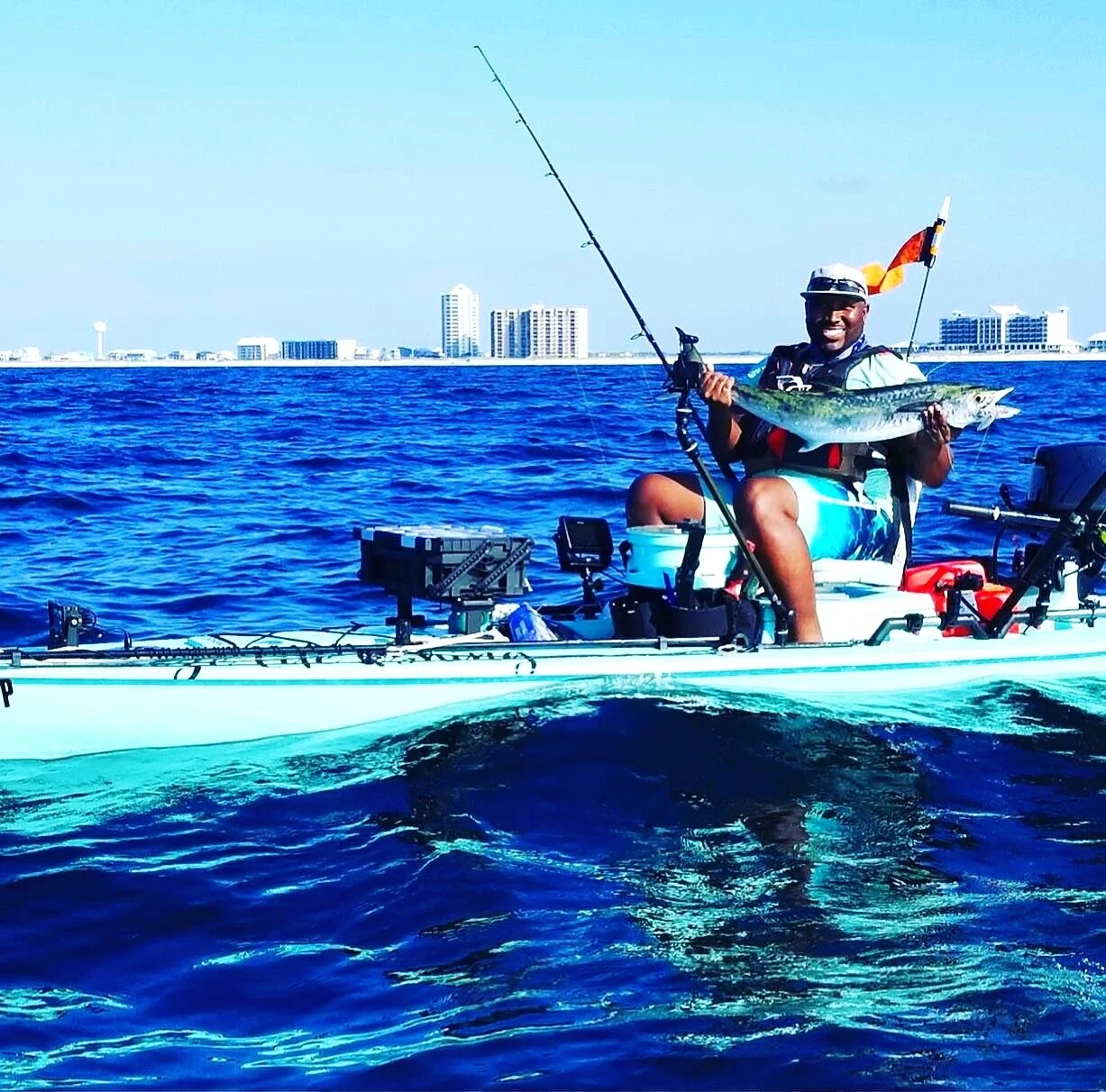
Gulf Breeze, FL

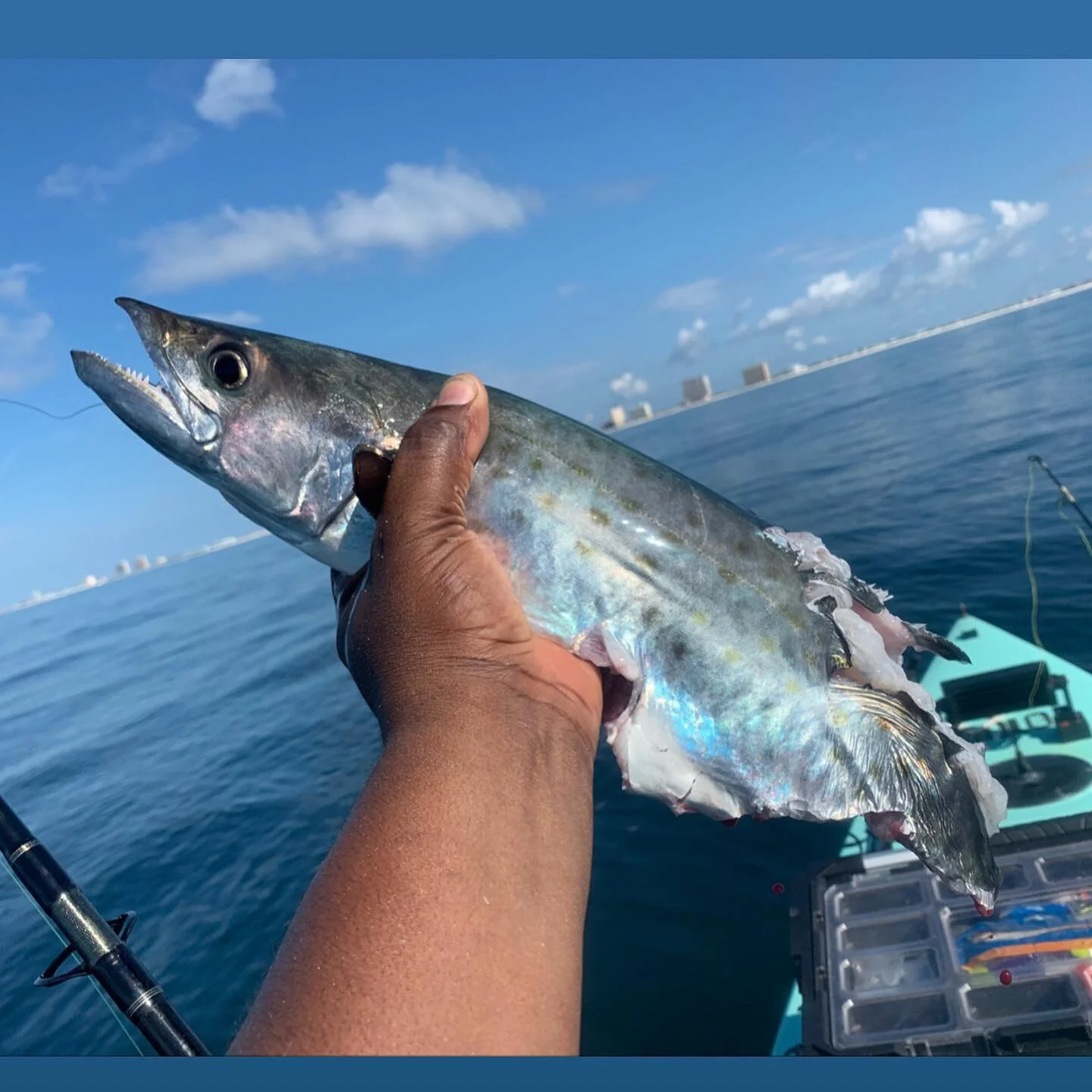
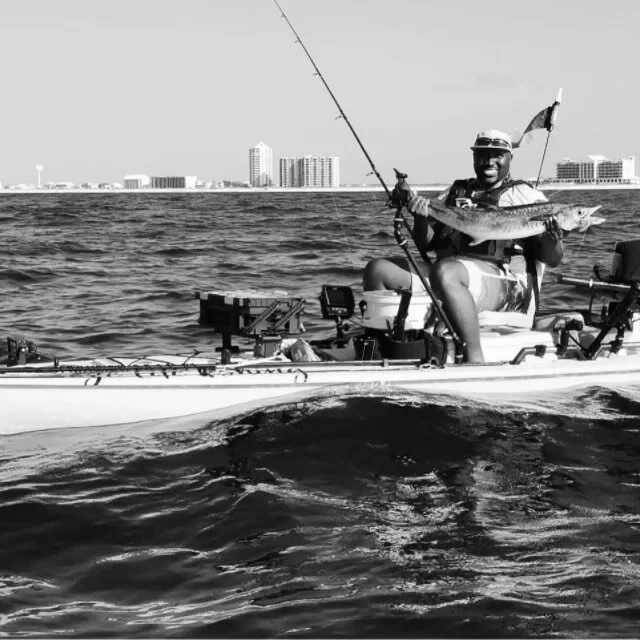
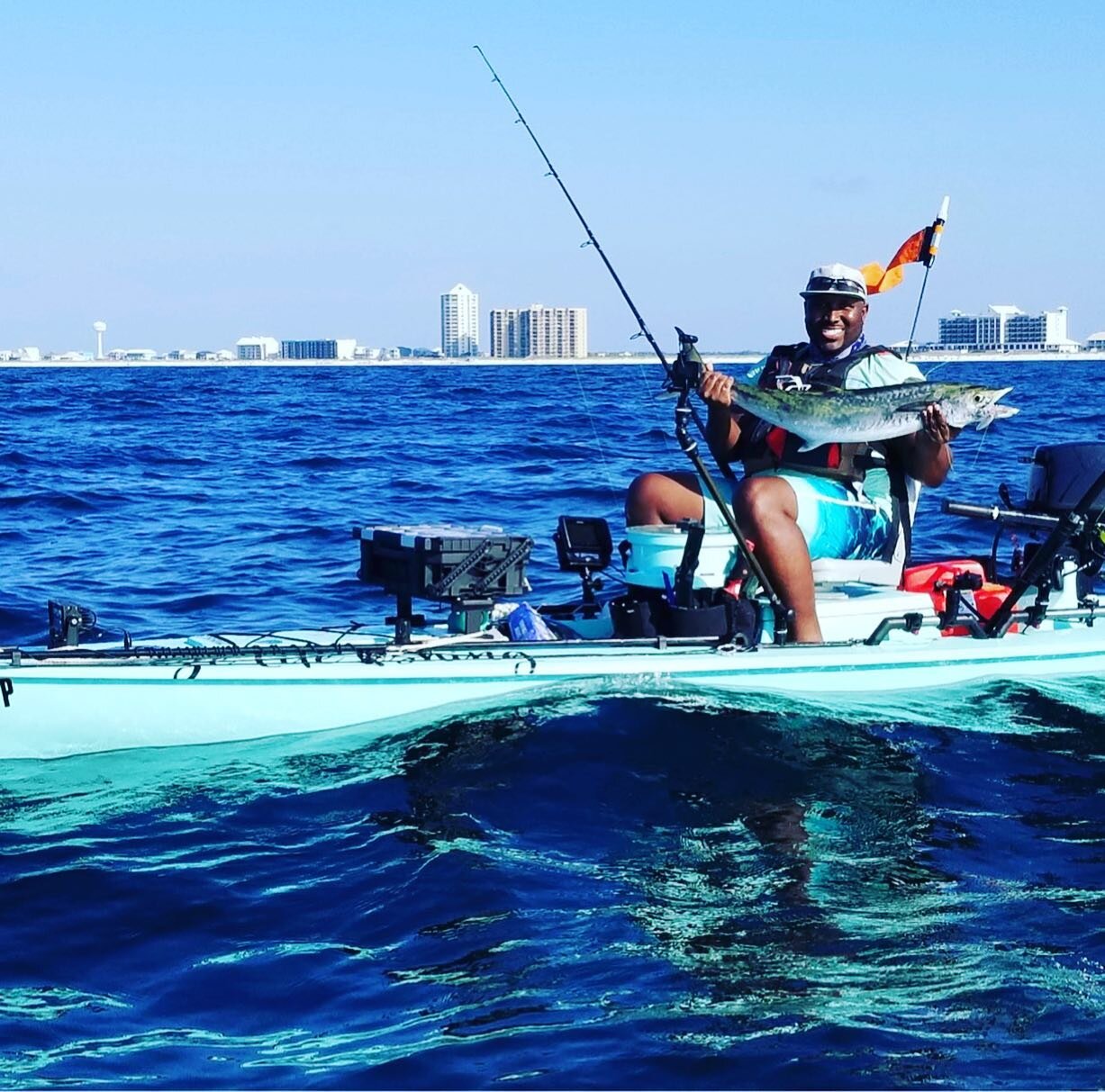
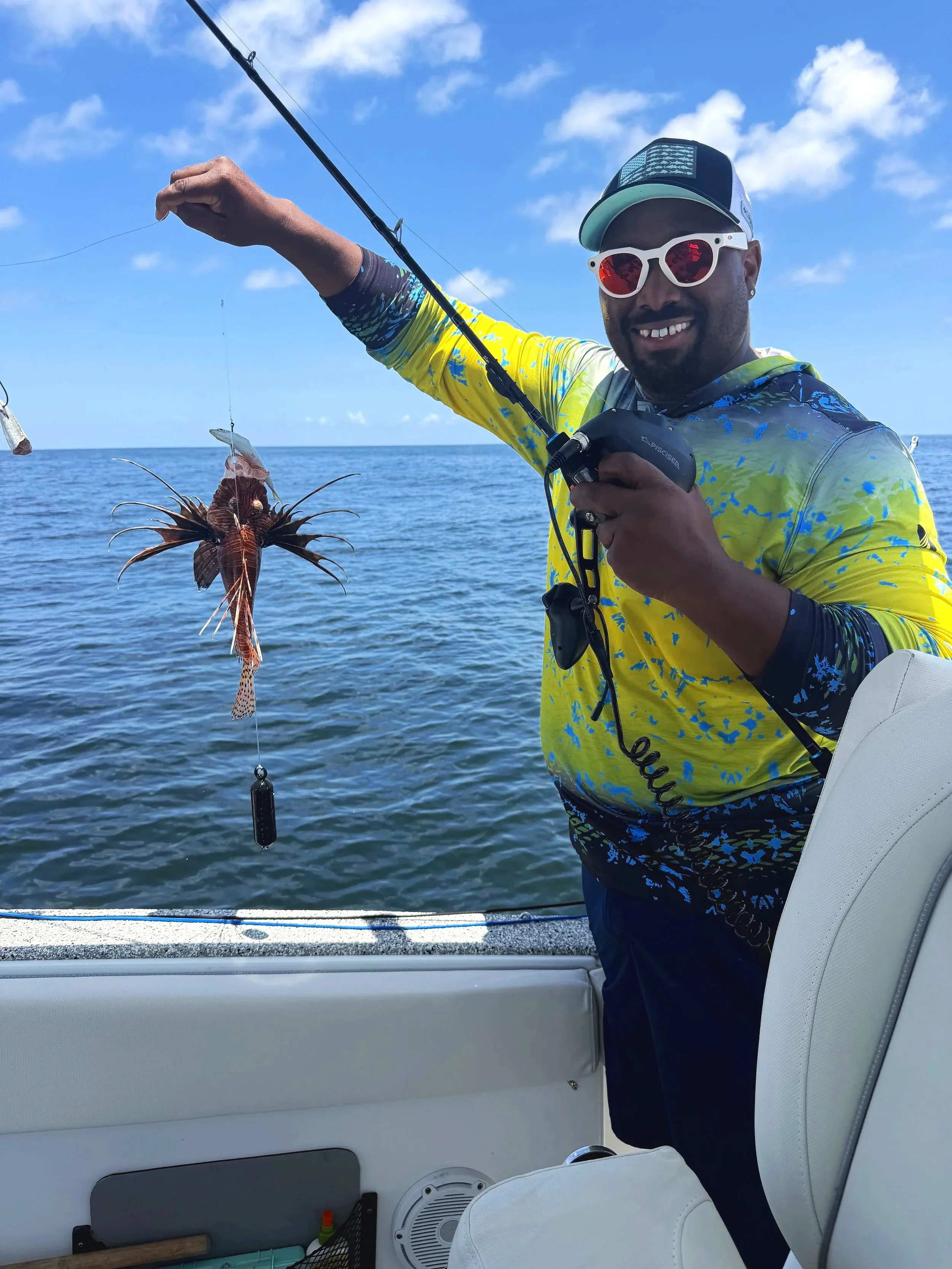
This king mackerel had a bad day. Got sharked, then attacked by a barracuda sitting by my Solo Skiff. Beautiful day to be out on the water.
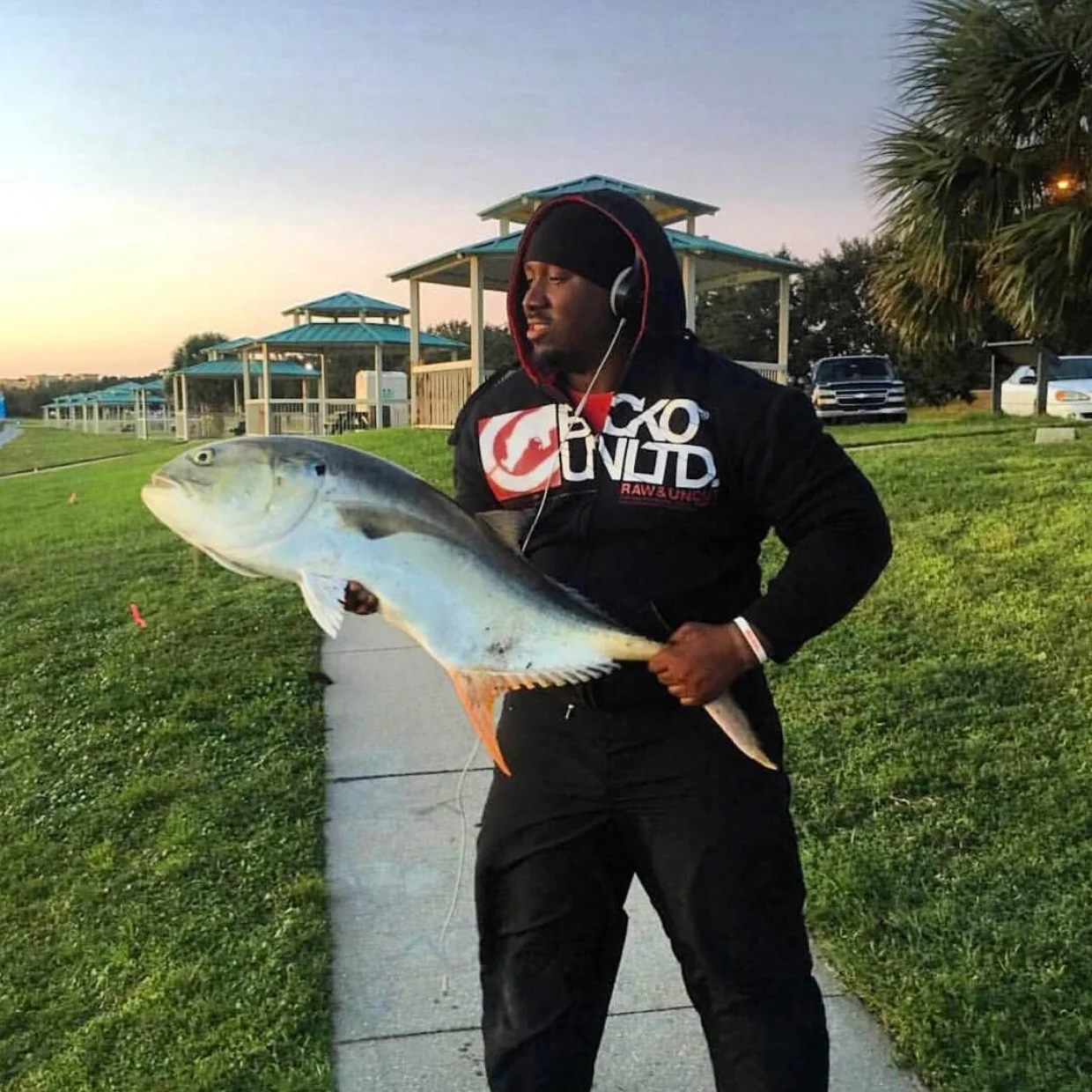
Crevalle Jack
Also called the common jack. You'll know one when you hook it — they fight way above their weight and will smoke a drag before you know what happened.
Crevalle jacks:
run the nearshore Gulf in big schools, busting bait on the surface where you can see them coming. They're one of the most fun fish to catch on light tackle, and a great way to introduce somebody to saltwater fishing. As table fare, they're not winning any awards — most folks release them — but for pure pulling power, few inshore fish compare.
Photo by Prentice B. Pullins
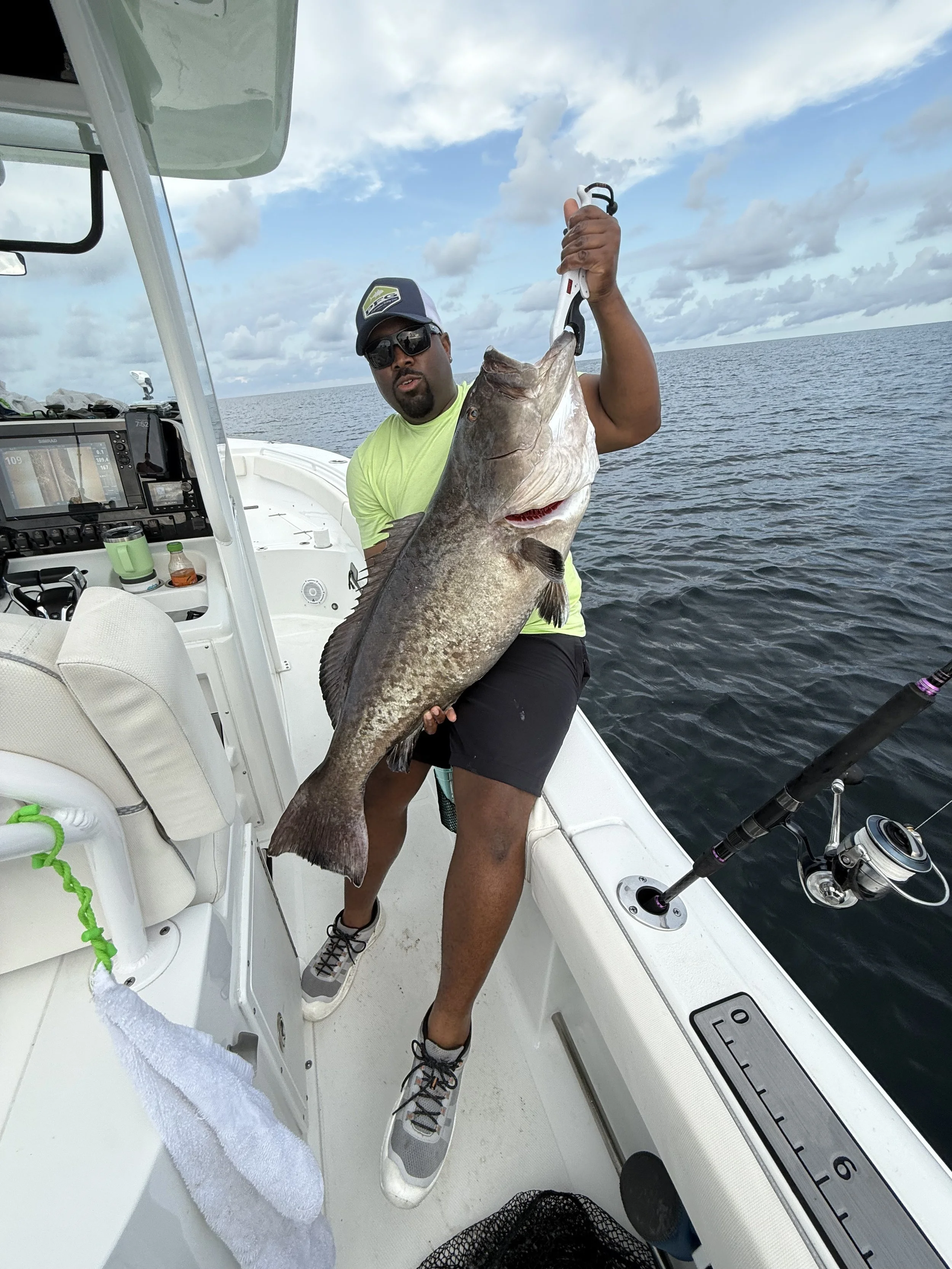
GAG GROUPER
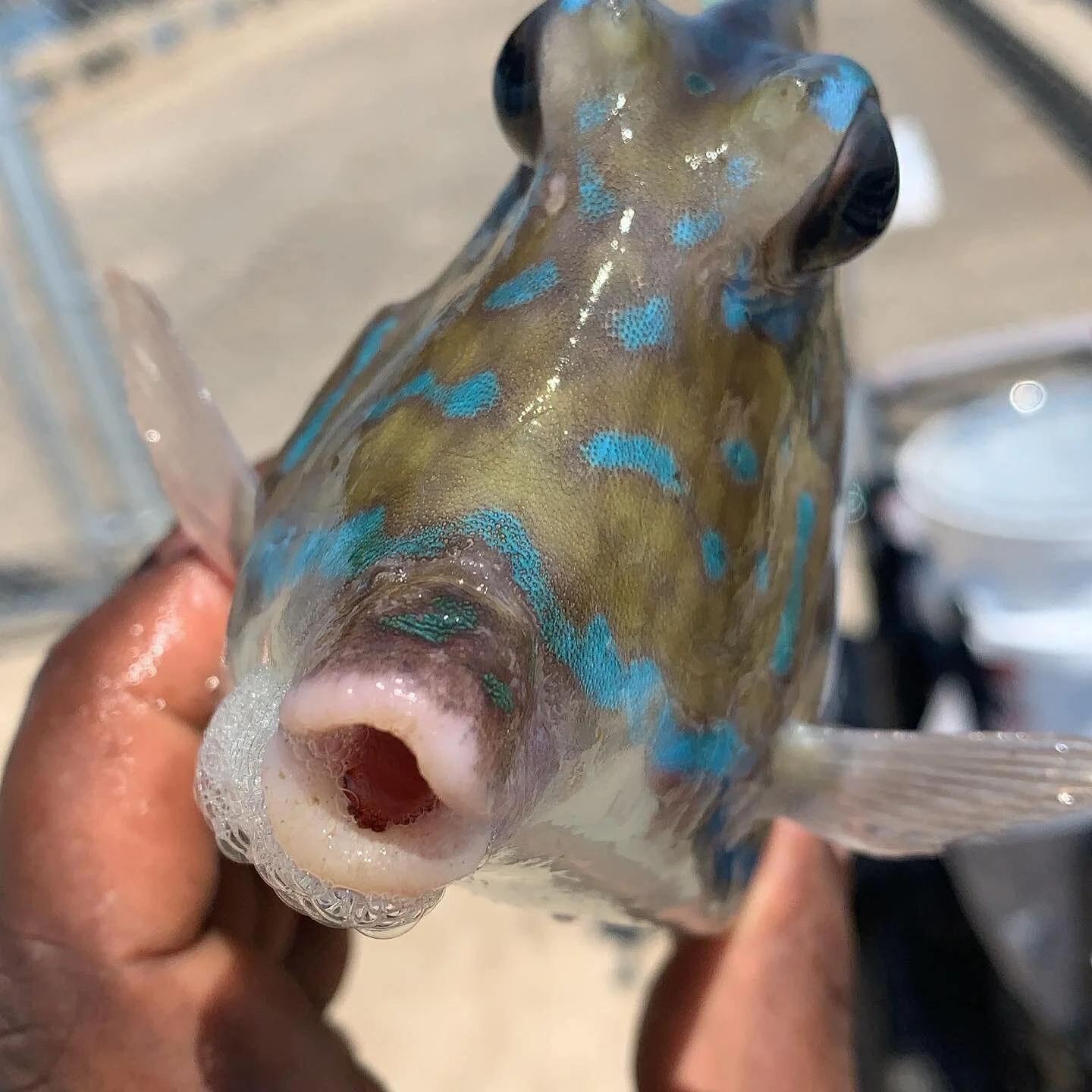

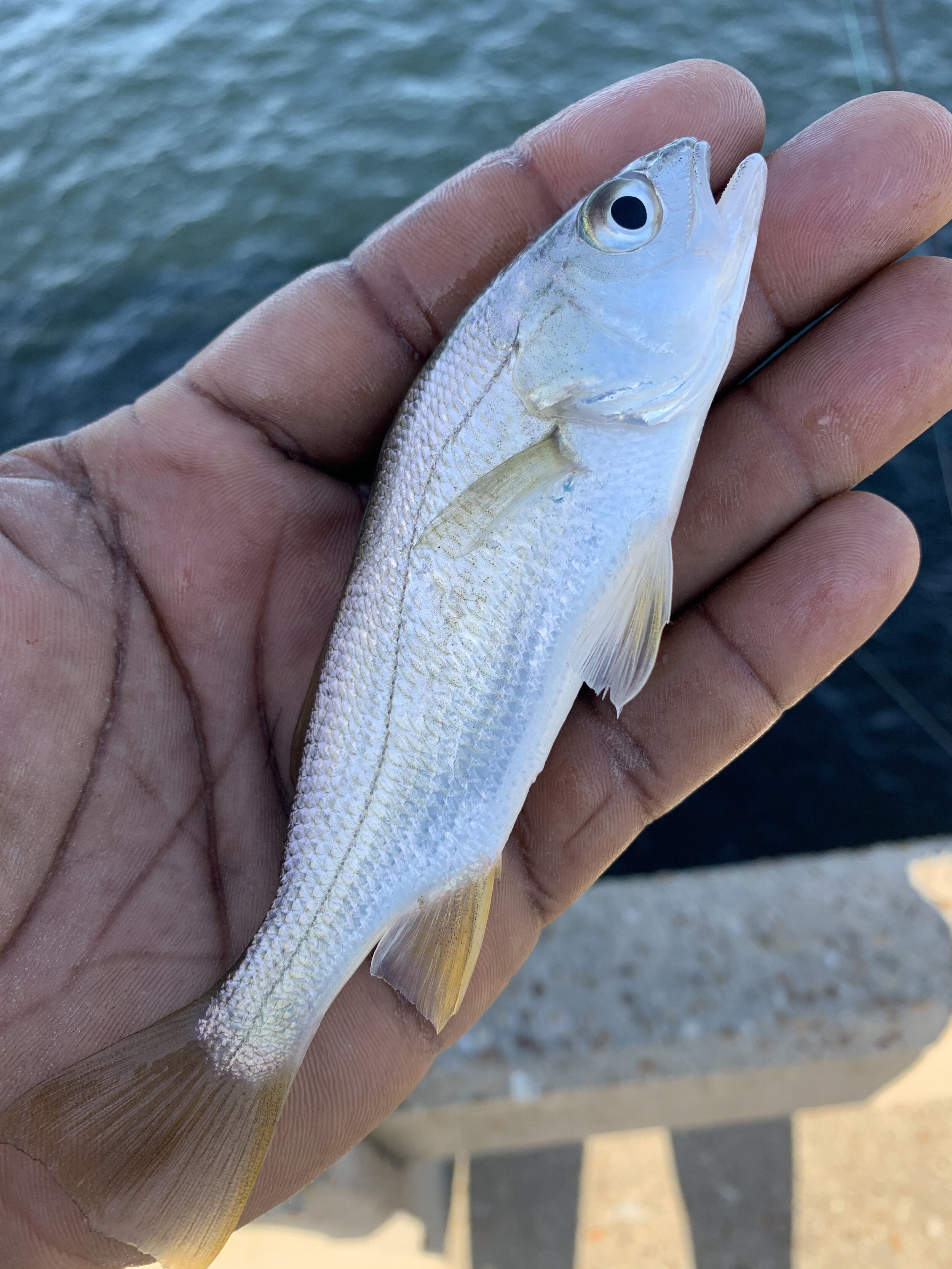
Silver Seatrout
Common names:** White trout, silver trout, sand trout, whitey
Range & habitat:
Silver trout are thickest in the northern Gulf of Mexico, but you'll find them from southern Florida to southern Texas. They hang over mud and sand bottoms, from bays and estuaries out to about 100 feet offshore.
Identification & biology:
A lot of anglers lump these in with sand seatrout and just call everything a "white trout," but they're distinctly different fish. The silver seatrout is silver all over — none of the yellow tint on the back and fins that a sand seatrout shows. Look for the very small, darker spots arranged in rearward-sloping rows on the upper sides. They spawn offshore and feed mostly on crustaceans and small fish.
Size:
Rarely over 10–14 inches.
Food value:
Good eating, but the soft texture makes them tricky to clean and they don't freeze well. Best cooked fresh the day you catch them.
Photo by Prentice B. Pullins
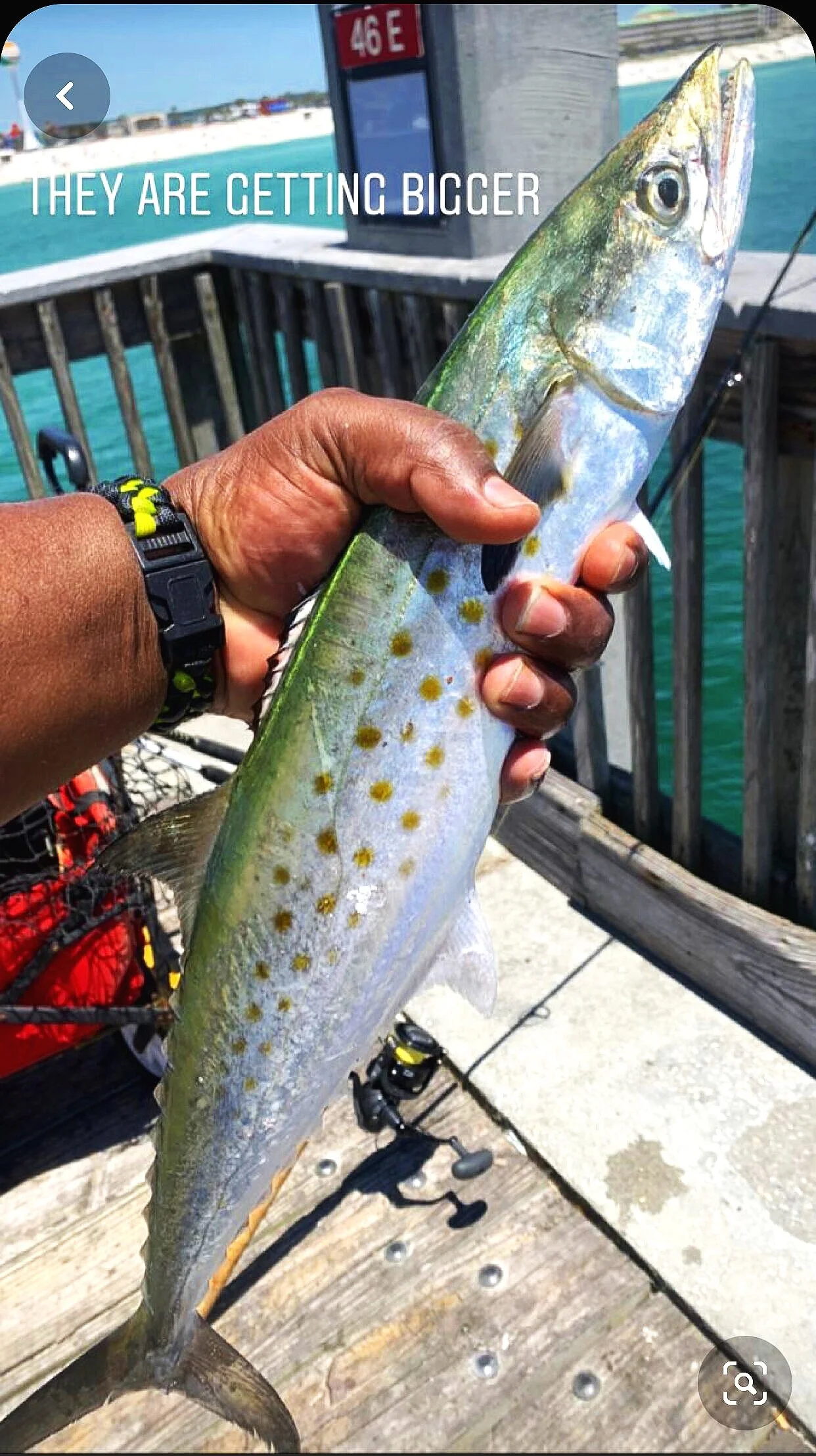
Spanish Mackerel
Description:
Spanish mackerel are built for speed — torpedo-shaped body, pointed snout, and a deeply forked tail. The back is iridescent blue-green fading to silver sides, with about three rows of large dark elliptical spots running the length of the body. Young king mackerel look similar, but the Spanish mackerel's spots and smaller size give it away.
Habitat:
These are open-water fish, running 30 to 115 feet deep, often in big schools near the surface. In the Gulf you'll find them around barrier islands, passes, and along the beaches — anywhere the bait is stacked up. They migrate with the seasons, pushing north in summer and back toward Florida waters in fall and winter.
Diet:
Smaller fish — herrings, sardines, jacks — plus some shrimp and squid.
Fishery:
Spanish mackerel support big commercial and recreational fisheries because they fight hard and eat well. In Florida, recreational anglers are allowed 15 per person per day with a 12-inch minimum (fork length). Troll small spoons or dusters fast through a school and hang on.
Size:
Commonly 8–11 lbs, with fish over 30 inches reported.
Food value:
Excellent fresh or smoked. The flesh goes rancid fast in the freezer, so eat them fresh or smoke them — smoked Spanish mackerel dip is a Gulf Coast staple.
Photo by Prentice B. Pullins
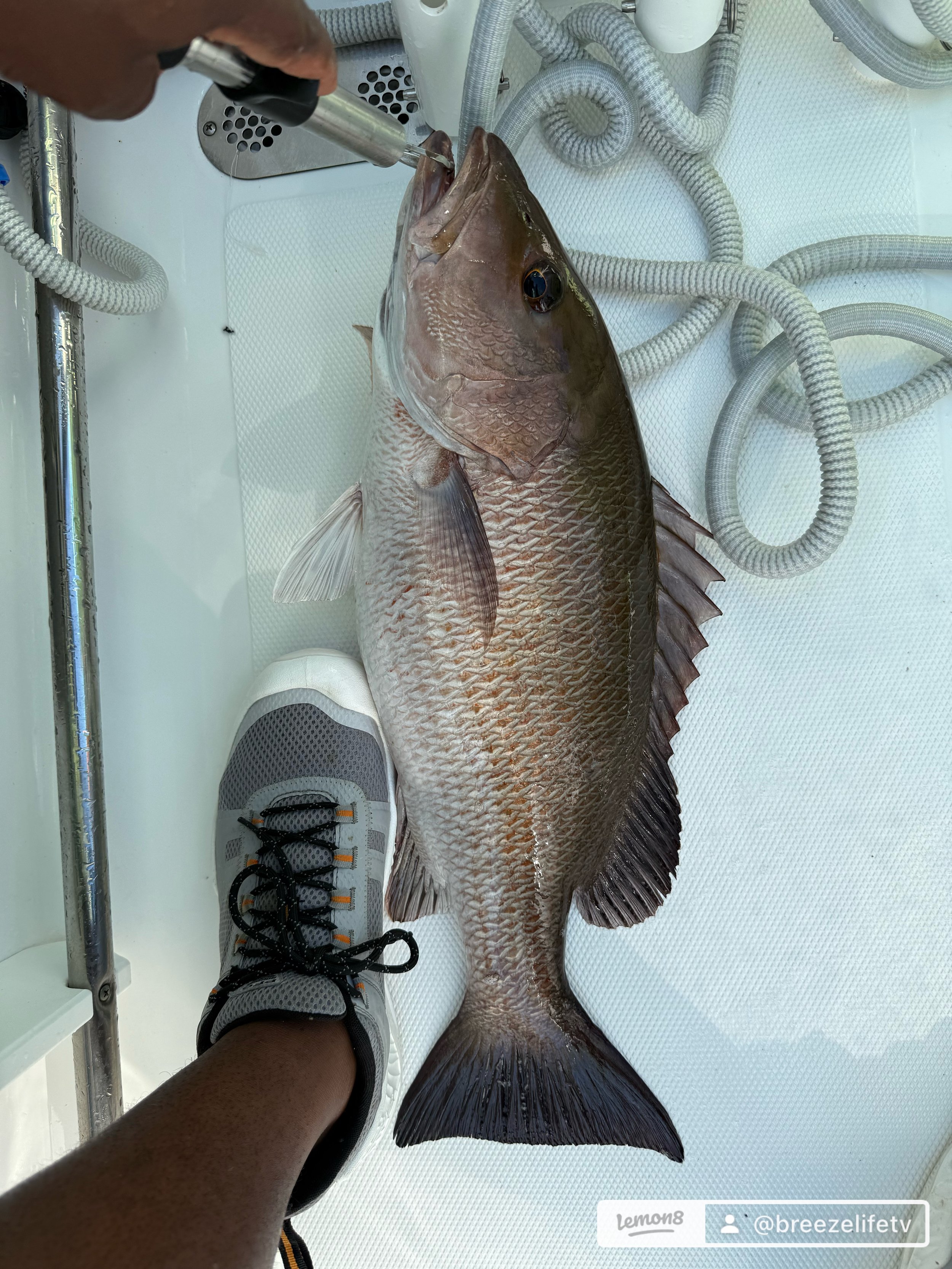
MANGROVE SNAPPER
Distinguishing characteristics:
Rows of red-orange spots and stripes along the sides, a dark red outline on the dorsal fin, and big canine teeth that mean business. Juveniles show a dark stripe running diagonally through the eye. Those teeth tell you everything about how they eat — they're built to grab and hold.
Range, habitat, behavior, and diet:
Found from Florida to Brazil and across the Gulf of Mexico. Adults live on offshore reefs and wrecks, while juveniles grow up in estuaries, mangroves, and seagrass beds. They'll eat shrimp, crabs, and fish — about anything that swims past. On light tackle around structure, they're one of the trickiest fish to land because they run straight back into the wreck the second they're hooked.
Fun facts:
Mangrove snapper spawn in big offshore aggregations around the full moon, broadcasting millions of eggs. They're one of the most abundant snapper species in their range, making them an excellent target species for fishing.
Photo by Prentice B. Pullins
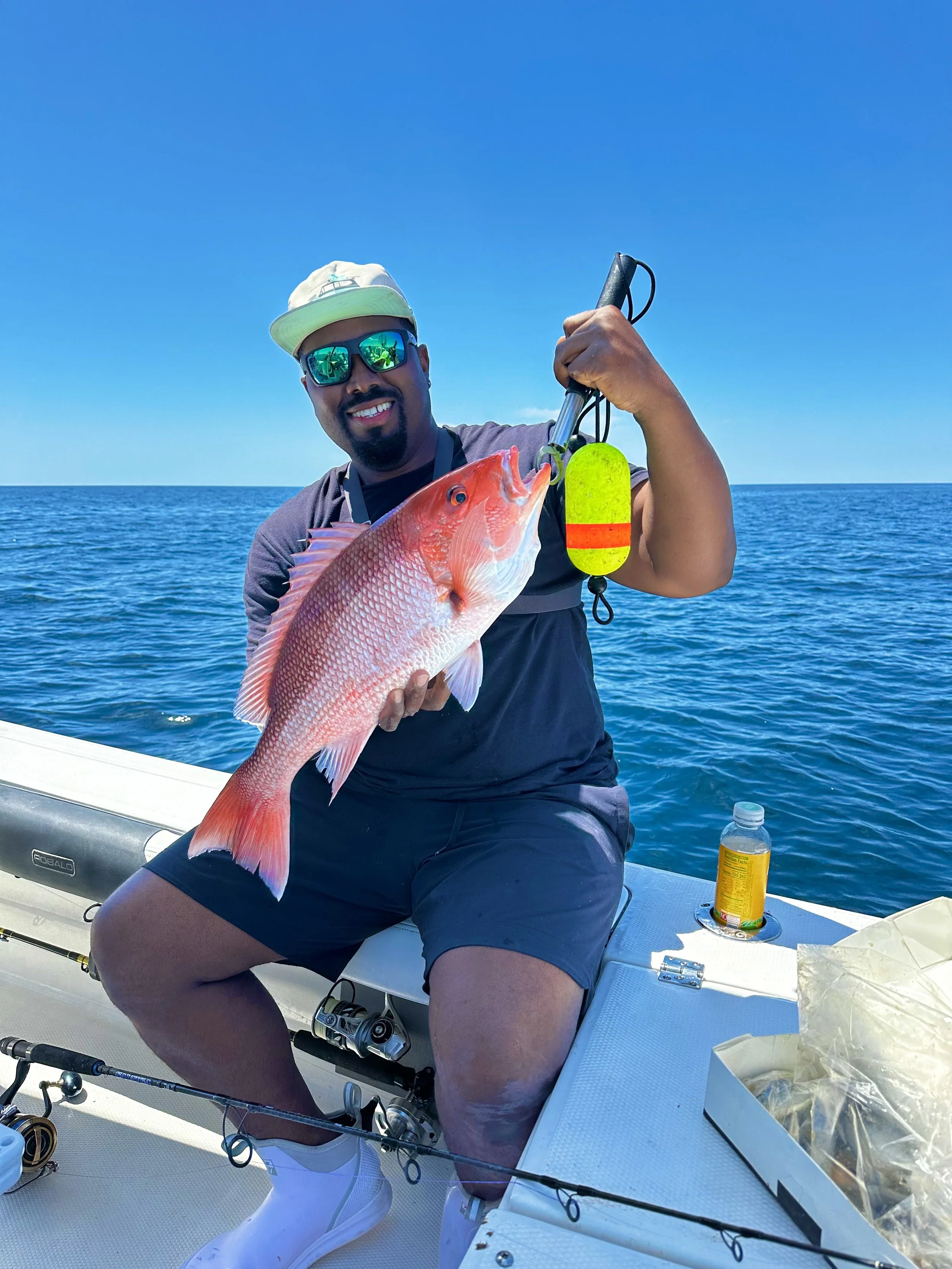
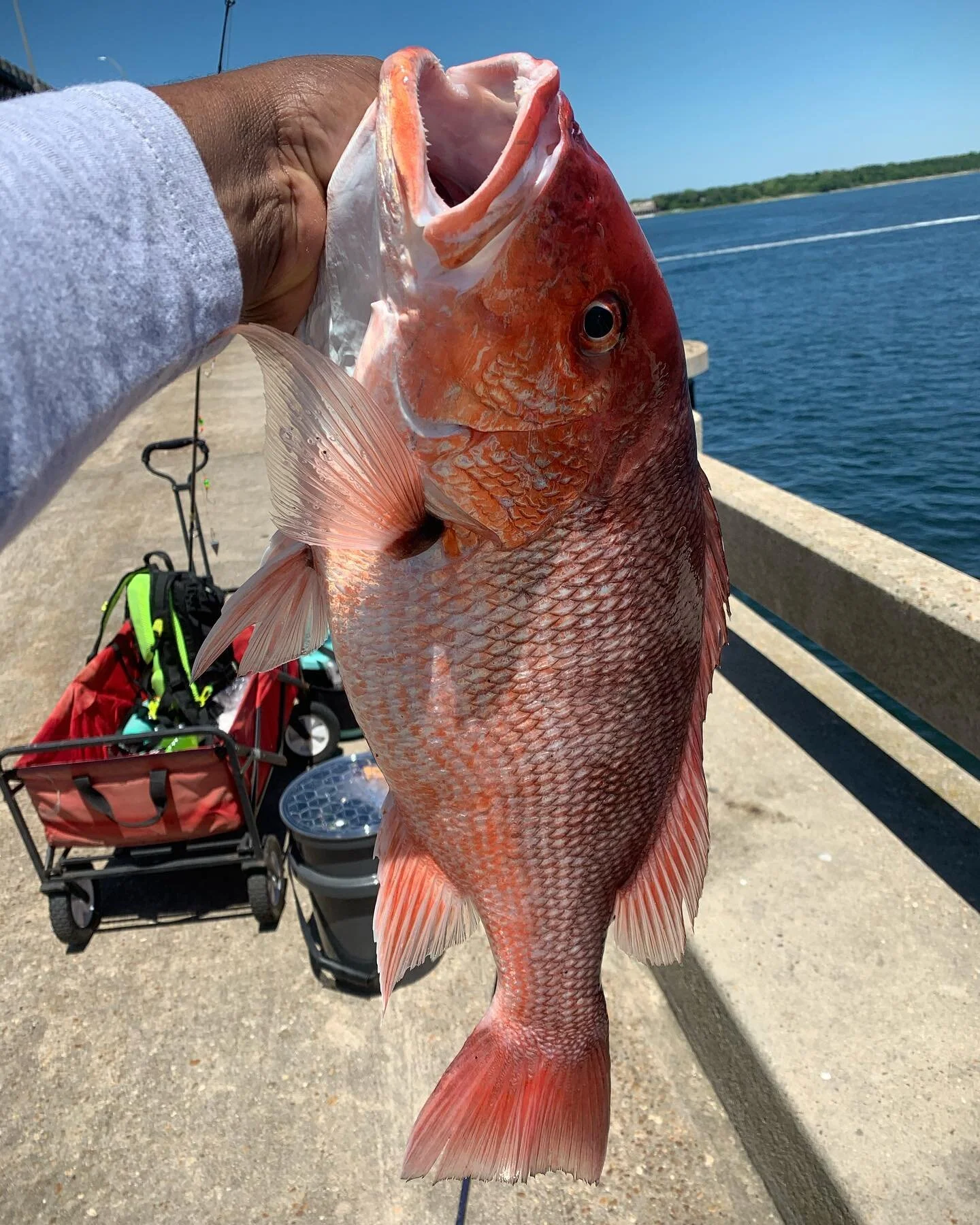
American RED SNAPPER
The northern red snapper is the crown jewel of Gulf bottom fishing — a reef-associated fish found from the western Atlantic through the Caribbean and across the Gulf of Mexico, and one of the most sought-after game fish in the country.
Population & fishing rate:
Below target levels in the Gulf, though the fishing rate now promotes population growth. Rebuilding plans are in place, which is why seasons and limits are tightly managed — check current federal and state regulations before you go.
Habitat:
Adults live offshore on the continental shelf over reefs, banks, and rocky bottoms. Bigger fish hold on deeper, more structured bottom.
Size:
They can reach about 40 inches, 50 pounds, and live more than 50 years. The world record — 50 lbs. 4 oz. — was caught in the Gulf of Mexico off the Louisiana coast by Doc Kennedy in 1996, according to the International Game Fish Association.
Taste:
Moist and delicate with a mild, slightly sweet flavor. Extremely versatile — grilled, fried, blackened, or baked, it's hard to mess up.
Health benefits:
Low in saturated fat and sodium, and a very good source of protein.
Photo by Prentice B. Pullins
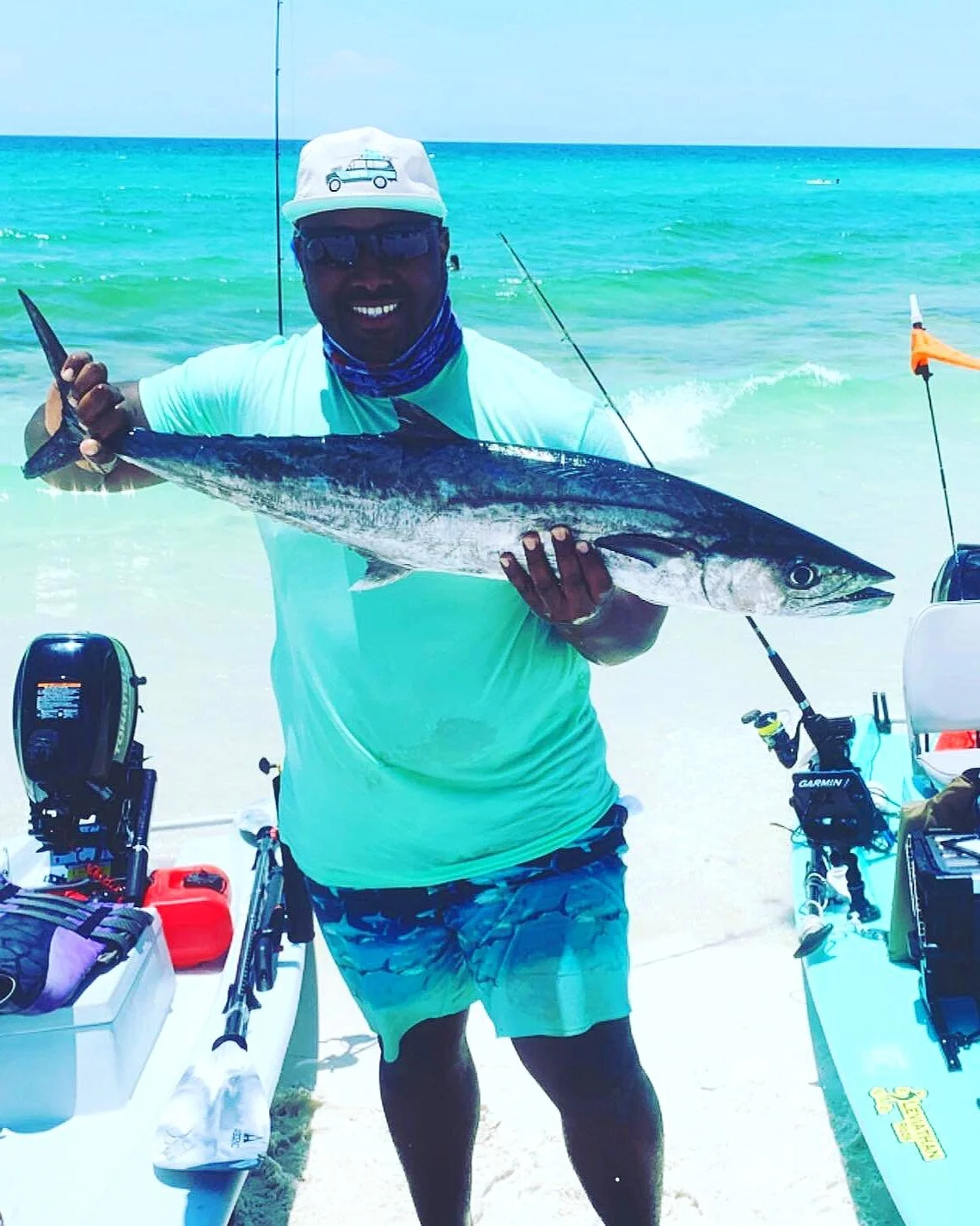
King Mackerel
Scientific Name:Scomberomorus Cavalla
Common names:Kingfish, King
Range & habitat:
Kings roam the open Gulf — nearshore and coastal waters, often around the perimeters of offshore oil and gas platforms in the northern Gulf. They're migratory, but a resident population of big fish (commonly over 40 pounds) stays in the northern Gulf year-round. Eastern Gulf fish winter off Florida and push up the coast in summer; western Gulf fish move between Louisiana, Texas, and Mexico with the seasons.
IDentification & Biology:
Extremely elongated, silvery-gray to iridescent green, without the wavy lines of a wahoo. Young kings have spots like a Spanish mackerel, but the sharper bend in the lateral line mid-body sets them apart. They're aggressive predators — herrings, menhaden, sardines, seatrout, jacks, whatever swims. Most live at least 14 years, with females growing larger than males.
Size:
Common at 15–50 pounds; fish over 6 feet and 100 pounds have been reported.
Food value:
Edible, but the strong taste isn't for everyone — most folks smoke them. Note: king mackerel consistently test highest of all Gulf fish for mercury, and every Gulf state has consumption advisories. Eat them in moderation.
Photo by Prentice B. Pullins
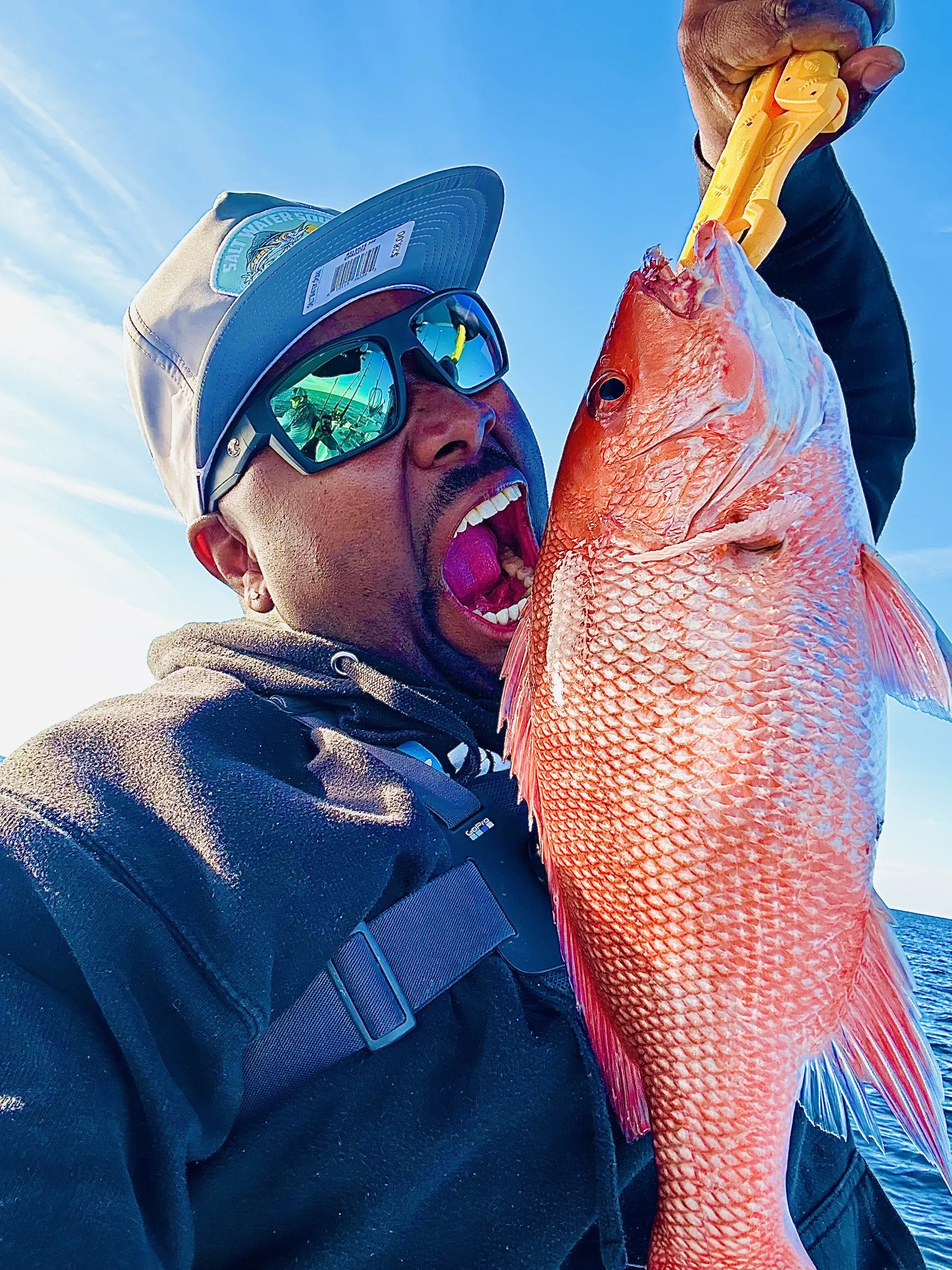
American Red Snapper

Barracuda
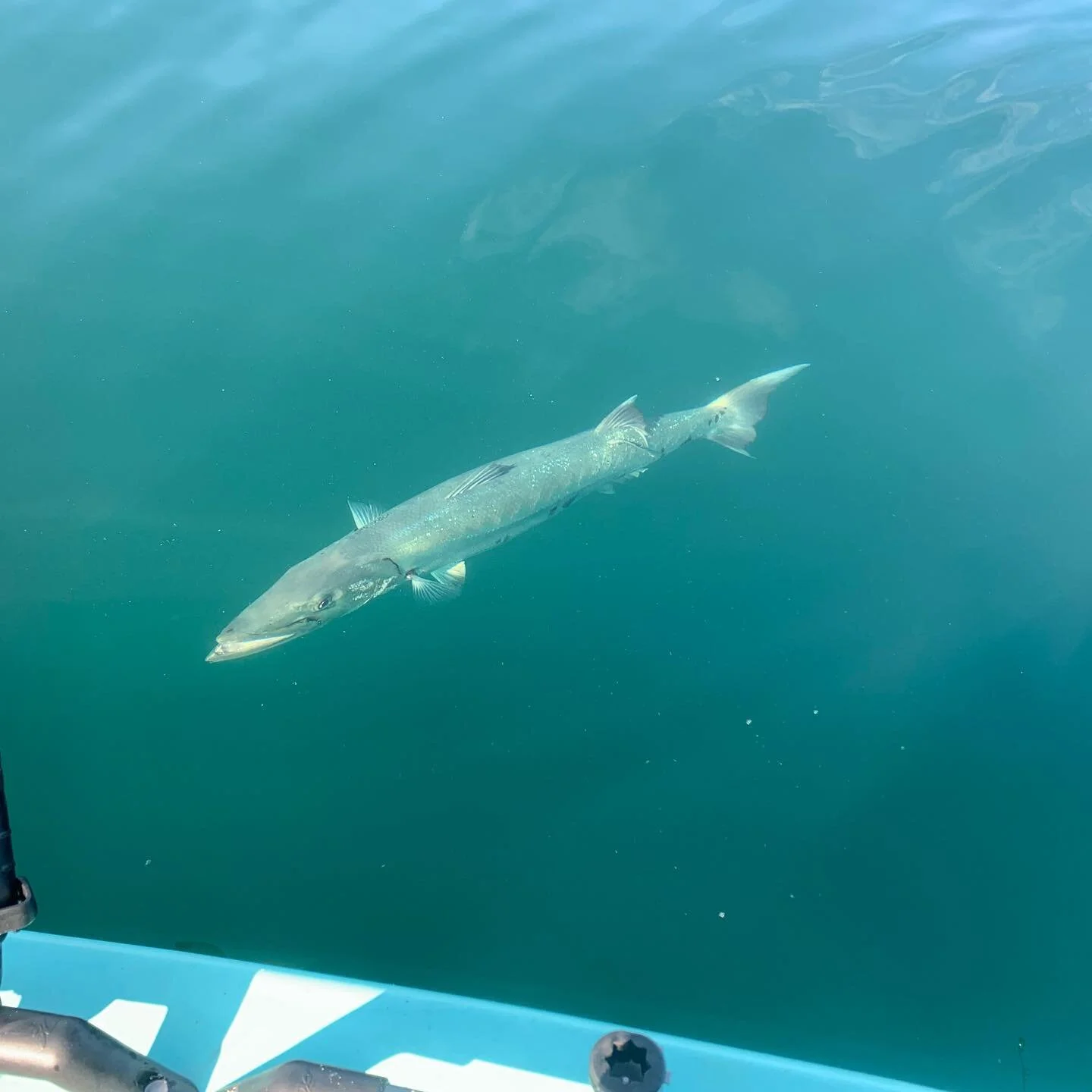
The Barracuda:
“Cuda" for short — is one of the most fearsome-looking fish in the ocean: long silver body, pointed head, and a mouth full of fang-like teeth built for grabbing prey.
Size & speed:
Great barracuda can push 50-plus pounds, and they're among the fastest fish in the sea — bursts up to 36 mph. That long, torpedo body is pure speed design.
Diet:
Groupers, anchovies, mullets, snappers, squid, and crustaceans. They're attracted to shiny objects, which is why they hunt silver-scaled baitfish — and why divers are told to leave the jewelry on the boat.
Predators:
Not much messes with an adult cuda — sharks, tuna, and goliath grouper will take smaller ones, and juveniles have to dodge a range of inshore predators.
Taste:
Full-flavored, firm, dense white flesh with large flakes — often compared to tuna with a mildly sweet undertone. Stronger than mild whitefish, but excellent grilled or blackened.
A note on sport fishing:
Barracuda are a premier sight-fishing target on the flats. Handle with respect — those teeth are no joke — and release them healthy.
Photo by Prentice B. Pullins
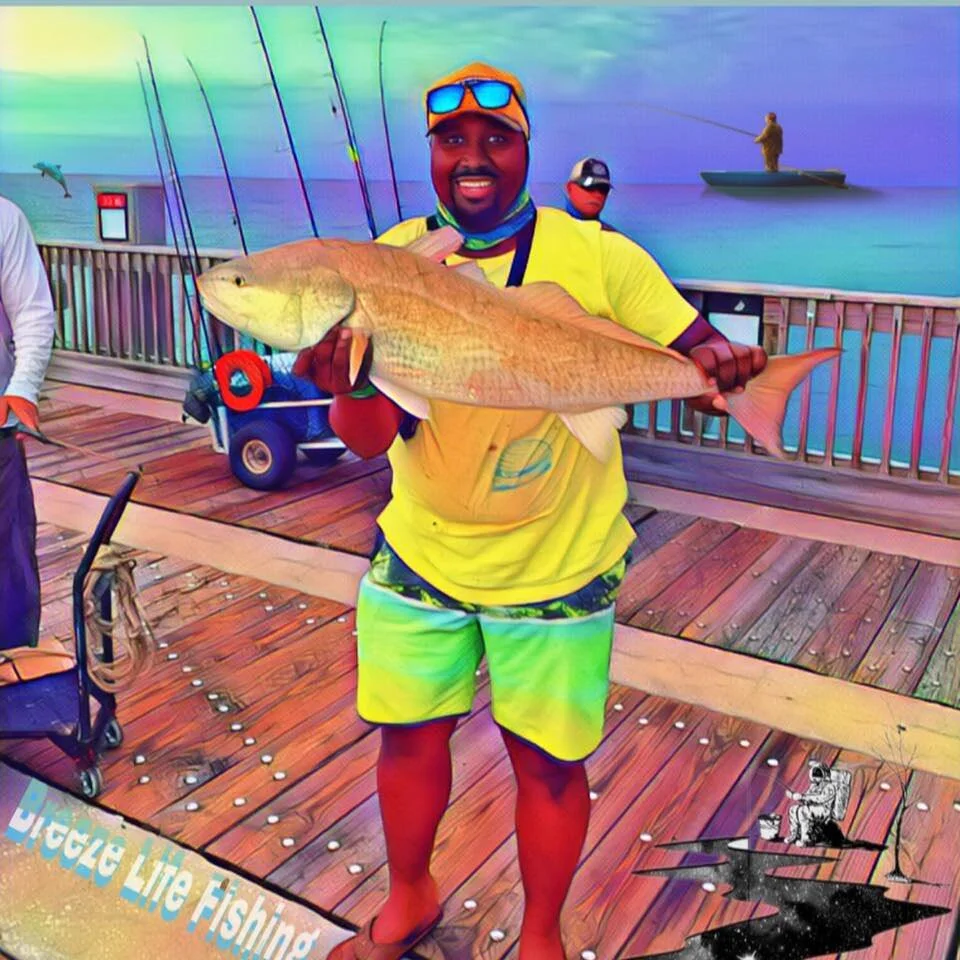
Red Drum
Scientific name:Sciaenops Ocellatus
Common names: Redfish, Red, Spottail, Channel Bass
Range & habitat:
Red drum are found Gulfwide — from low-salinity estuaries and even freshwater-influenced creeks out to offshore waters 50-plus feet deep. They're not picky about bottom, showing up over soft mud, shell hash, and oyster reefs. Big schools of bull reds stack up on nearshore artificial reefs and around oil and gas platforms in the northern Gulf.
Identification & biology:
Silvery-gray with a copper cast to bright copper, white belly, and usually a single dark ocellated spot just ahead of the tail — though some fish have several spots and a rare few have none. They're named for the drumming sound males make with their air bladders during the spawn, when huge schools gather near barrier island passes from mid-August to mid-October. A single female can release 20–40 million eggs in a season.
Food value:
One of the best-eating inshore fish in the Gulf — firm, mild, and versatile. The famous blackened redfish nearly wiped them out in the 1980s, which is why slot limits are strictly enforced today. Know your state's slot before you keep one.
Photo by Prentice B. Pullins
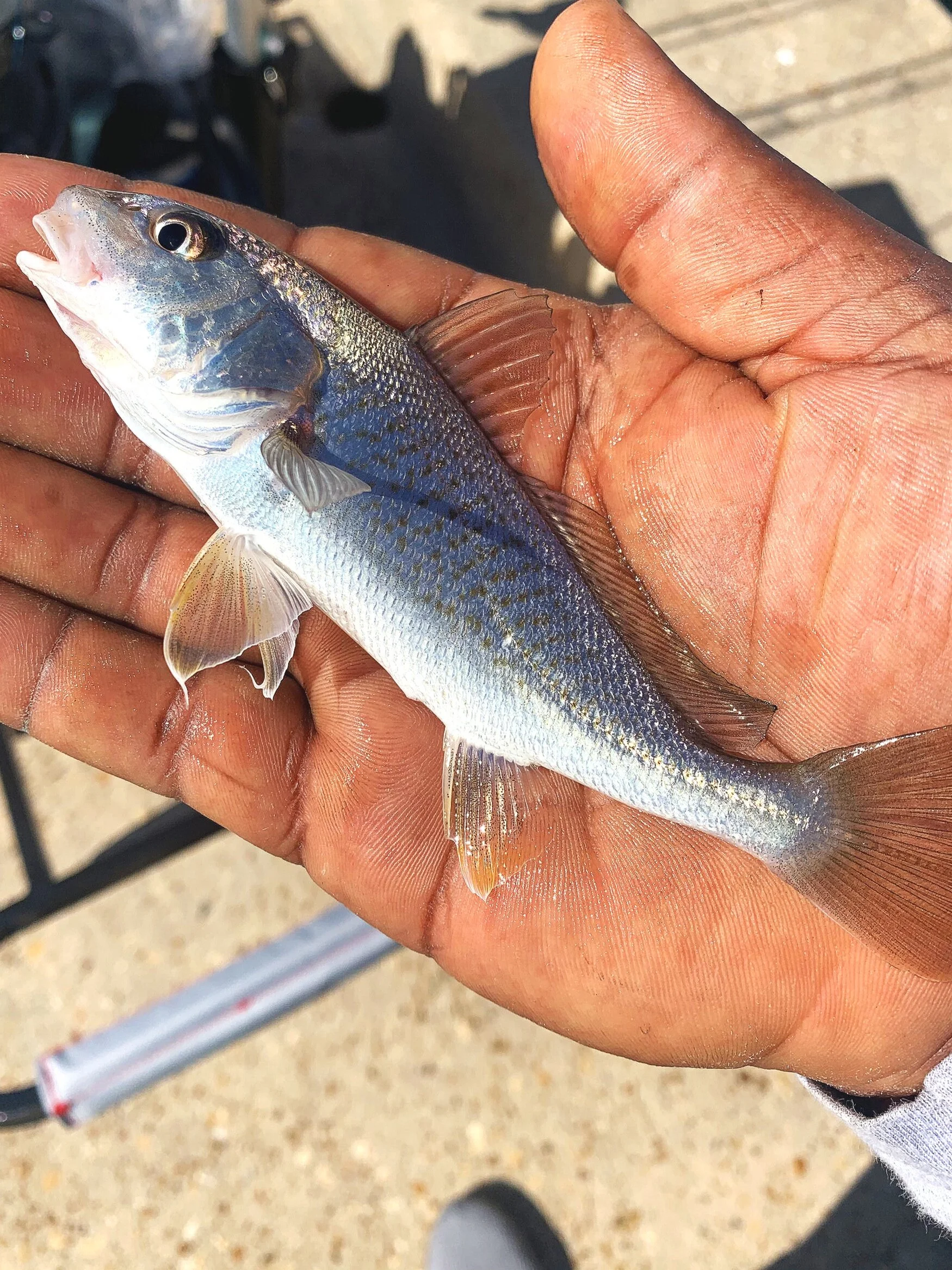
Atlantic Croaker
A member of the drum family, closely related to red drum, black drum, and spotted seatrout. Found from Massachusetts to the Gulf of Mexico, common in sounds and estuaries.
Appearance:
Silvery-gray to bronze body with indistinct wavy bars on the upper sides, and small barbels on the lower jaw — that's the easiest way to tell one from a spot, which has a forked tail and smooth cheek bone instead.
Size:
Up to about 20 inches and 4 pounds; the world record is 8 lbs. 11 oz.
Habitat & behavior:
Young fish grow up in estuaries; older fish move to deeper offshore water in winter and push back into bays and estuaries spring through fall. They spawn offshore in the fall, turning bronze or yellow, and feed on small fishes and invertebrates.
Food value:
Don't let the size fool you — croaker are excellent eating, sweet and mild. A pan of fried croaker is a Gulf Coast classic.
Photo by Prentice B. Pullins